
By Imtiaz Ahmed and Samia Tabassum
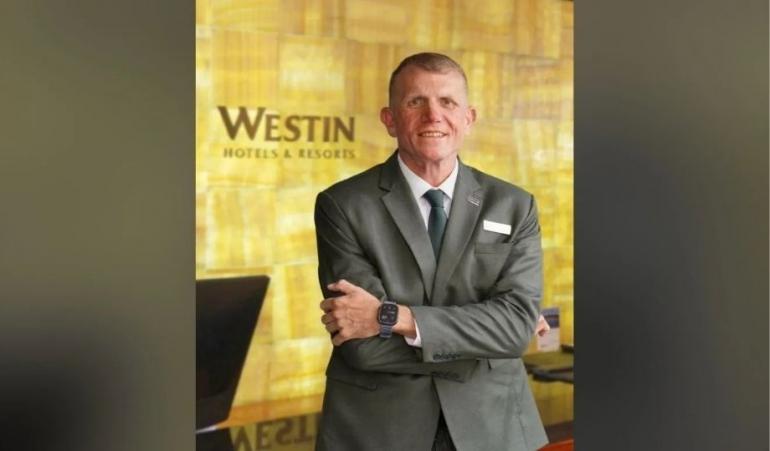
The hospitality sector has shown remarkable resilience and growth, said Gary Farstad
General Manager, The Westin Dhaka & Sheraton Dhaka, in a interview with a group of journalists recently.
A seasoned hospitality professional, Farstad brings over 20 years of international experience - including leadership roles across Canada, the Cayman Islands, and Curaçao - with a strong track record in operational excellence, revenue growth, and luxury hotel management.
Throughout his career, Farstad has successfully transformed full-service hotel operations through strategic leadership, guest-focused innovation, and high-performing team cultures.
Most recently, at Curaçao Marriott Beach Resort, he delivered a USD 2.4 million increase in gross operating profit between 2023 and 2024, alongside notable improvements in brand audit scores and employee engagement.
His career recognitions include the ITAC National Business Innovation Award in 2022 and the Hotel Association of Canada’s Revenue Performance Team of the Year Award in 2019.
The rest part of the interview is given below:
1. How do you see the hotel business in Bangladesh and the impact of the latest national budget on the hospitality sector?
The hospitality sector has shown remarkable resilience and growth. Fiscal policies that direct investment into infrastructure, aviation, tourism promotion, and digitalization directly strengthen our industry. Encouraging foreign investment and streamlining business operations lay a solid foundation for sustainable growth across properties like The Westin Dhaka and Sheraton Dhaka.
2. How do you see the growth of the hotel business in Bangladesh in the last 30 years?
The transformation has been profound—evolving from a few traditional hotels into a modern commercial hub with world-class international brands. Economic growth, trade, diplomatic activity, and improved air links have elevated the sector from basic lodging into comprehensive luxury ecosystems.
3. How do you see the growth of the sector in the next five years?
Growth will be driven by international trade, foreign investment, domestic travel, and an expanding middle class. Key priorities will include:
Curated Luxury & Wellness: Hyper-personalized guest experiences.
Sustainability & Digitalization: Eco-efficient operations and seamless technology.
MICE & Service Excellence: World-class event facilities paired with genuine Bangladeshi warmth.
4. How is the global uncertainty and volatility in energy markets affecting the hotel business?
Energy fluctuations impact air travel, import costs, and utility expenses. At The Westin Dhaka and Sheraton Dhaka, we offset these cost pressures through energy-efficient systems, local sourcing, and operational optimization without compromising guest standards.
5. Do you think Bangladesh can become a tourism hub in South Asia? What suggestions would you offer?
Unquestionably. Bangladesh possesses extraordinary natural and cultural assets. To realize this potential, we should focus on:
Targeted international destination branding.
Upgraded aviation and transit infrastructure.
Simplified visa and entry processes.
Sustainable tourism product development.
Continuous investment in hospitality training.
6. How can Bangladesh groom skilled and trained manpower for the hospitality sector?
People are the core of hospitality. Developing talent requires strong industry-academia partnerships, expanded vocational programs, structured internships, and clear career pathways. Global brands like Westin and Sheraton play a key role by training local talent to international standards.
7. Why are hotel room rates in Bangladesh comparatively higher than some neighboring destinations?
Rates reflect local cost structures—including import duties on specialized equipment, prime real estate values, energy costs, and stringent global safety protocols. Luxury hotels invest heavily to maintain world-class security and service. As inventory expands, market competition will naturally balance value.
8. What policy support can help boost the hospitality sector?
Targeted measures include prioritizing transport infrastructure, public-private destination marketing, duty rationalization for specialized hospitality equipment, and fiscal incentives for sustainable hotel development.
9. Will the growth of Five-Star hotels create healthy competition?
Yes. Healthy competition raises service, culinary, and technology standards across the market. It drives operational innovation, expands customer choice, and reinforces Bangladesh’s reputation as a reliable luxury destination.
10. How can the public and private sectors work together to boost hospitality?
The public sector builds the framework—infrastructure, safety, and destination branding—while the private sector brings capital, service excellence, and talent development. Aligned goals create a resilient ecosystem that drives economic growth.
11. How can Bangladesh learn from the tourism success stories of neighboring countries?
By adapting regional best practices in branding and infrastructure while highlighting what makes Bangladesh unique: its warmth, culture, cuisine, and natural beauty. Authenticity paired with global standards is our strongest advantage.
12. How do you see the growth of the hotel business this year?
I am very optimistic. Demand is growing for personalized, wellness-focused, and premium dining experiences. Across The Westin Dhaka and Sheraton Dhaka, our focus remains on elevating quality, empowering local talent, and driving long-term hospitality leadership.